Problems Solved
- Uneven roll profile, taper, runout, or poor finish
- Nip variation affecting sheet quality or machine performance
- Surface damage after prolonged operation
Restore cylindrical accuracy, surface finish, and controlled camber profile for stable nip contact.
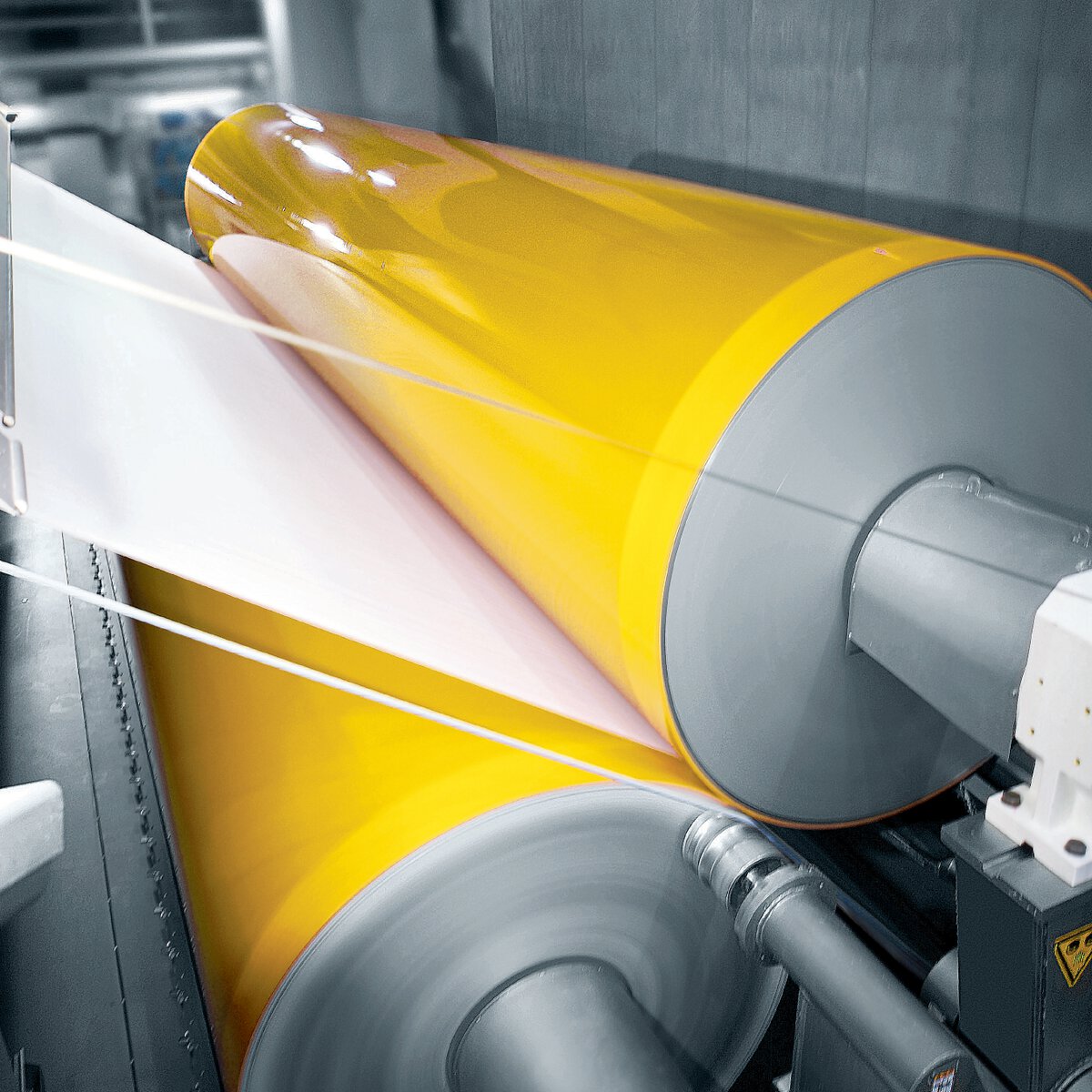
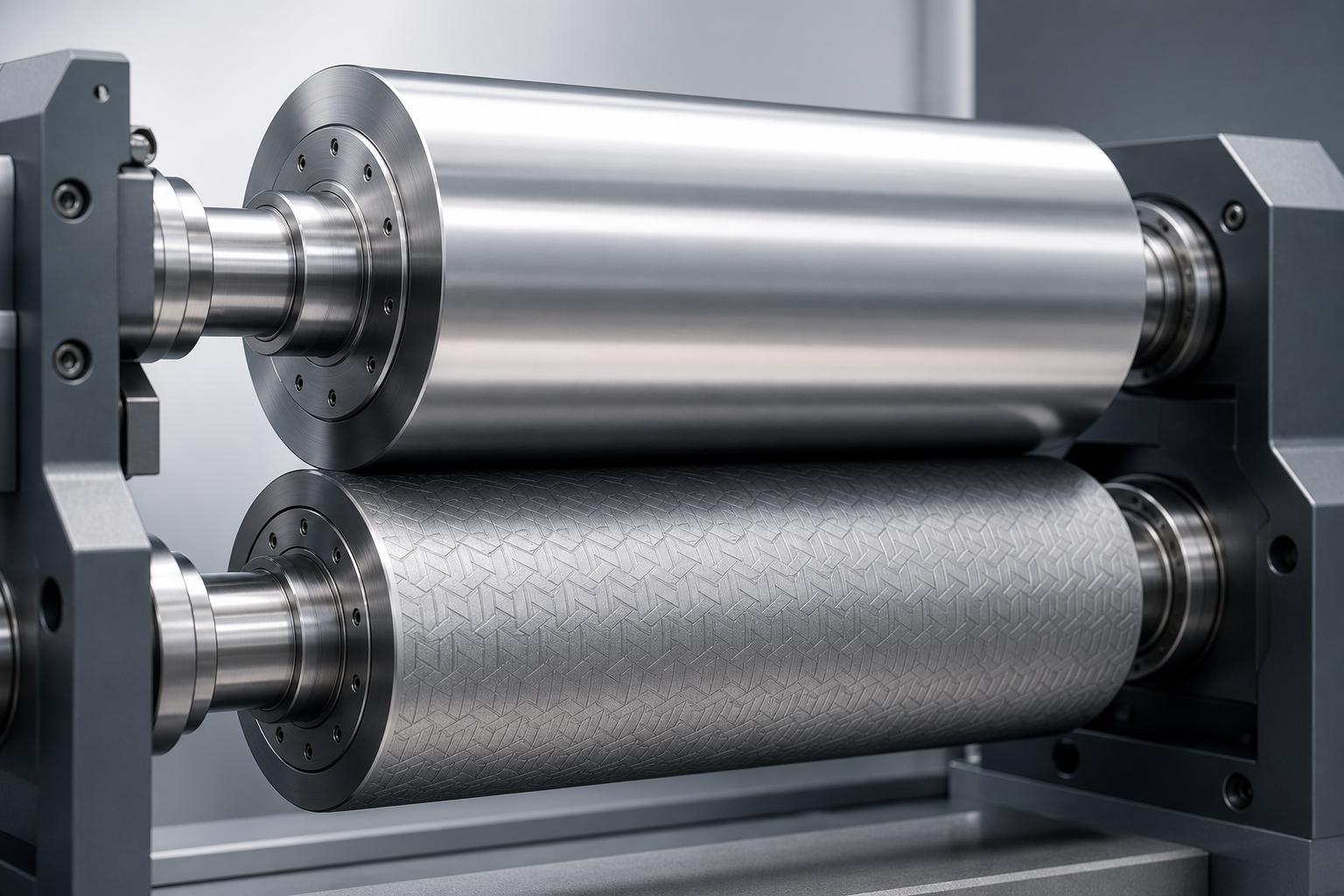
Roll regrinding and cambering corrects surface wear, runout, taper, and profile issues that affect nip contact and sheet quality. A controlled grind helps restore roll geometry while cambering supports pressure distribution across the roll face.
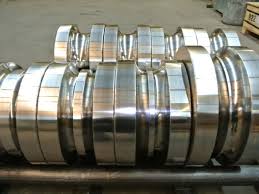
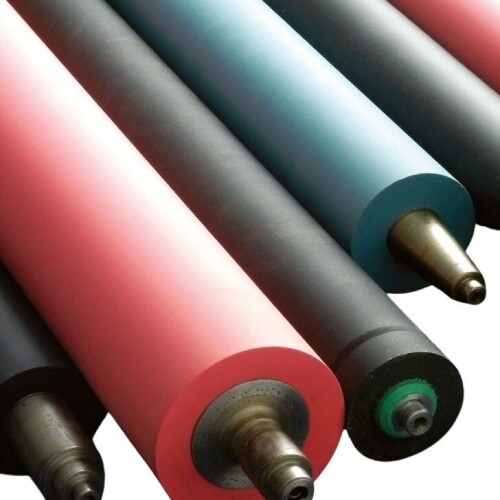
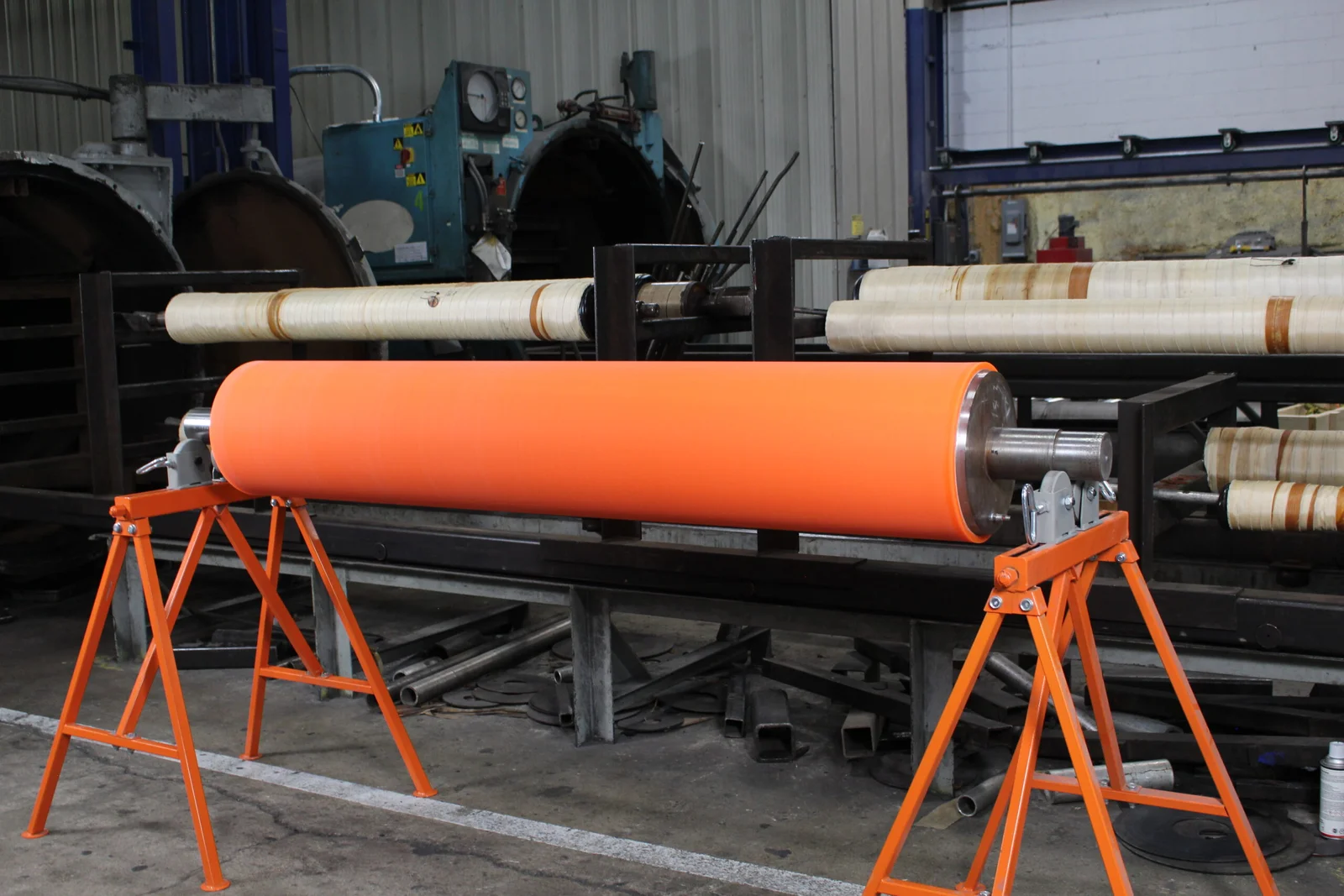
Roll Regrinding & Cambering restores roll profile, cylindrical accuracy, surface finish, and controlled pressure distribution. Doghat reviews roll wear, taper, runout, current profile, surface damage, and machine section before planning Roll Regrinding & Cambering for paper machine and industrial rolls.
A Roll Regrinding & Cambering service page must explain profile correction clearly because incorrect grinding can affect nip contact and sheet quality. Doghat uses Roll Regrinding & Cambering to support size press rolls, press rolls, hard press rolls, tambour rolls, and other rotating rolls that require accurate contact geometry.
Checks may include diameter, runout, taper, camber profile, surface finish, and visual inspection.