Problems Solved
- Water retention or drainage limitation
- Loss of traction, grip, or web control
- Need for a controlled surface pattern on rubber rolls
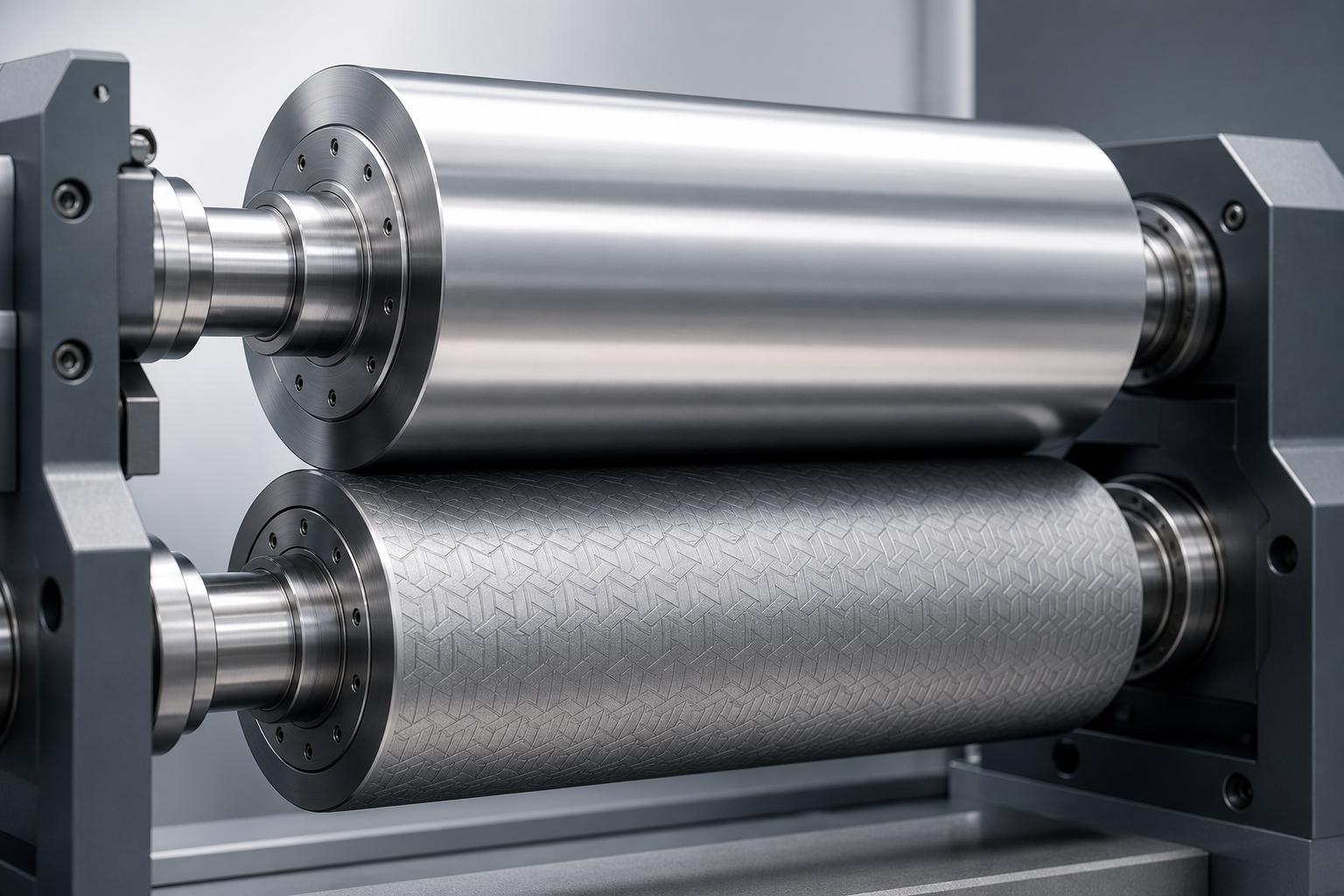
Groove geometry selected for drainage, traction, and machine duty.
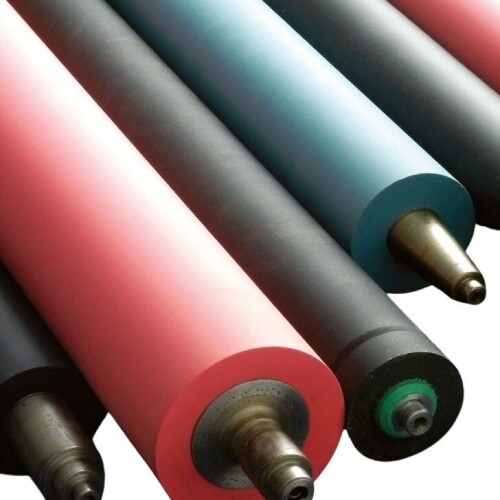
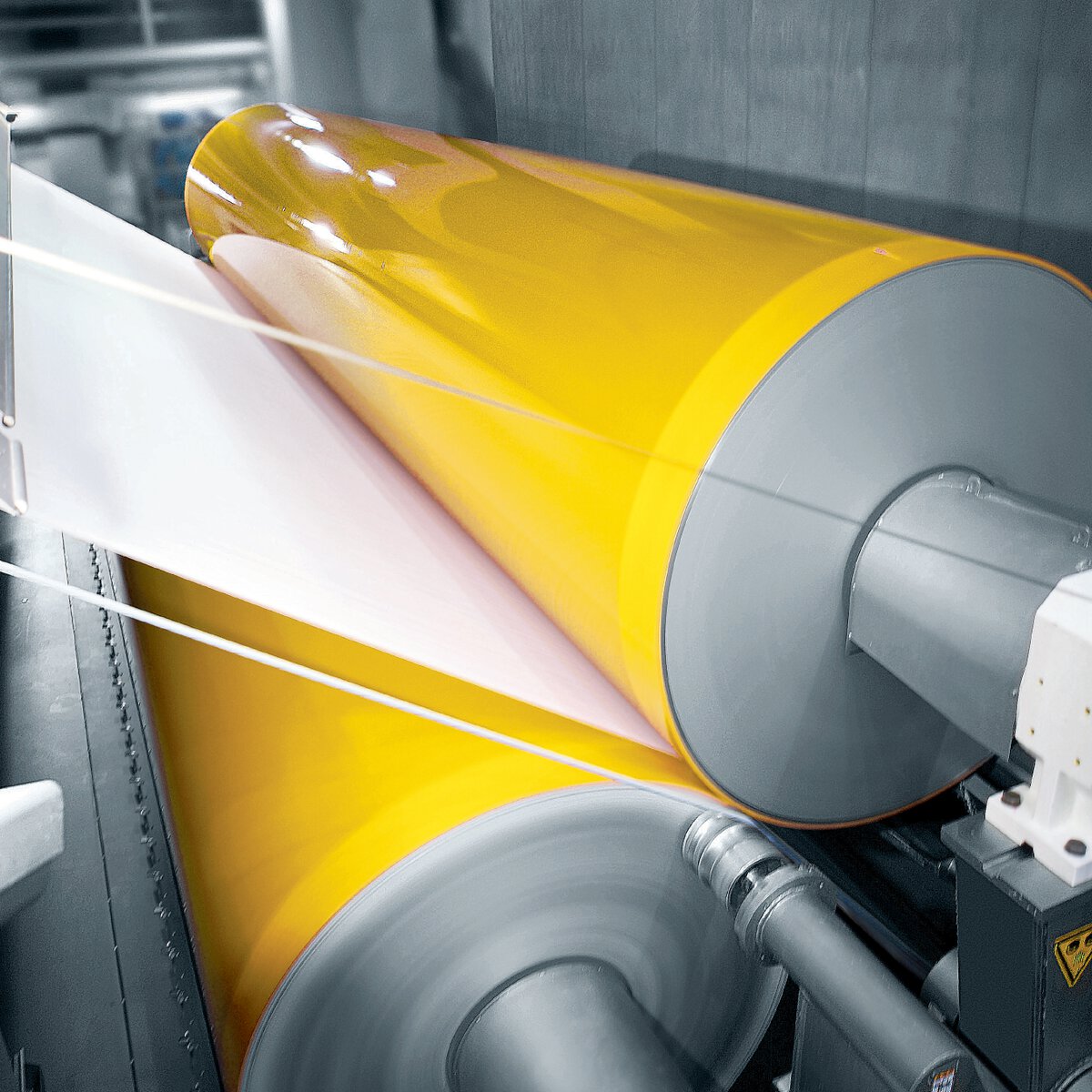
Rubber roll grooving forms planned grooves on the roll surface to improve drainage, traction, grip, or material handling. Groove geometry is selected according to roll function, sheet behavior, speed, load, and surface compound.
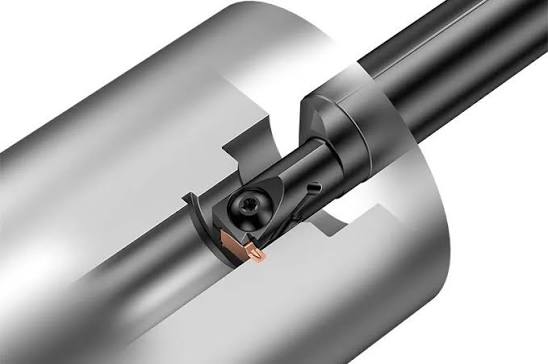
Rubber Roll Grooving is used when a roll surface needs channels for drainage, traction, grip, web control, or fabric interaction. Doghat studies groove width, depth, pitch, angle, surface hardness, covering thickness, and operating duty before performing Rubber Roll Grooving.
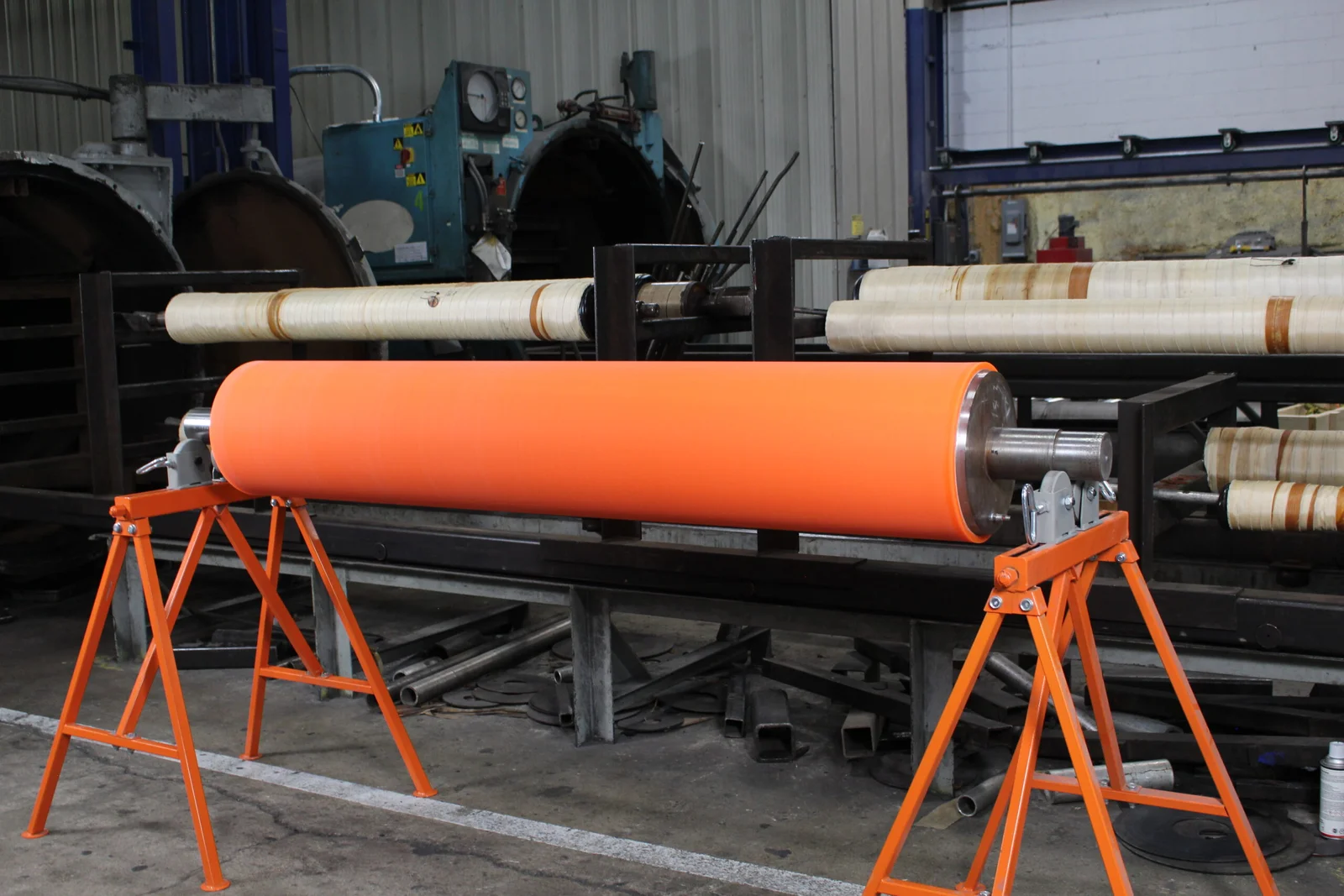
A Rubber Roll Grooving job must be designed around the machine application rather than a standard pattern. Doghat provides Rubber Roll Grooving along with recoating, grinding, and inspection support so the finished groove profile can improve drainage or contact behavior without damaging roll life.
Checks include groove depth, spacing, surface finish, edge quality, and roll cleanliness after machining.