Problems Solved
- Rubber surface wear, cuts, cracks, glazing, or hardness loss
- Loss of grip, drainage, nip control, or sheet handling performance
- Old roll body suitable for reuse but covering no longer reliable
Recoating support for worn, damaged, or underperforming rubber roll surfaces.
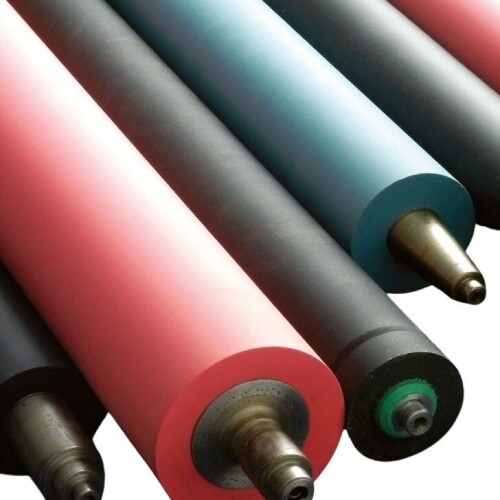
Rubber roll recoating restores a worn or failed roll surface when the core and journals are reusable. The process helps extend roll life, improve machine performance, and reduce replacement cost when the old roll structure remains suitable.
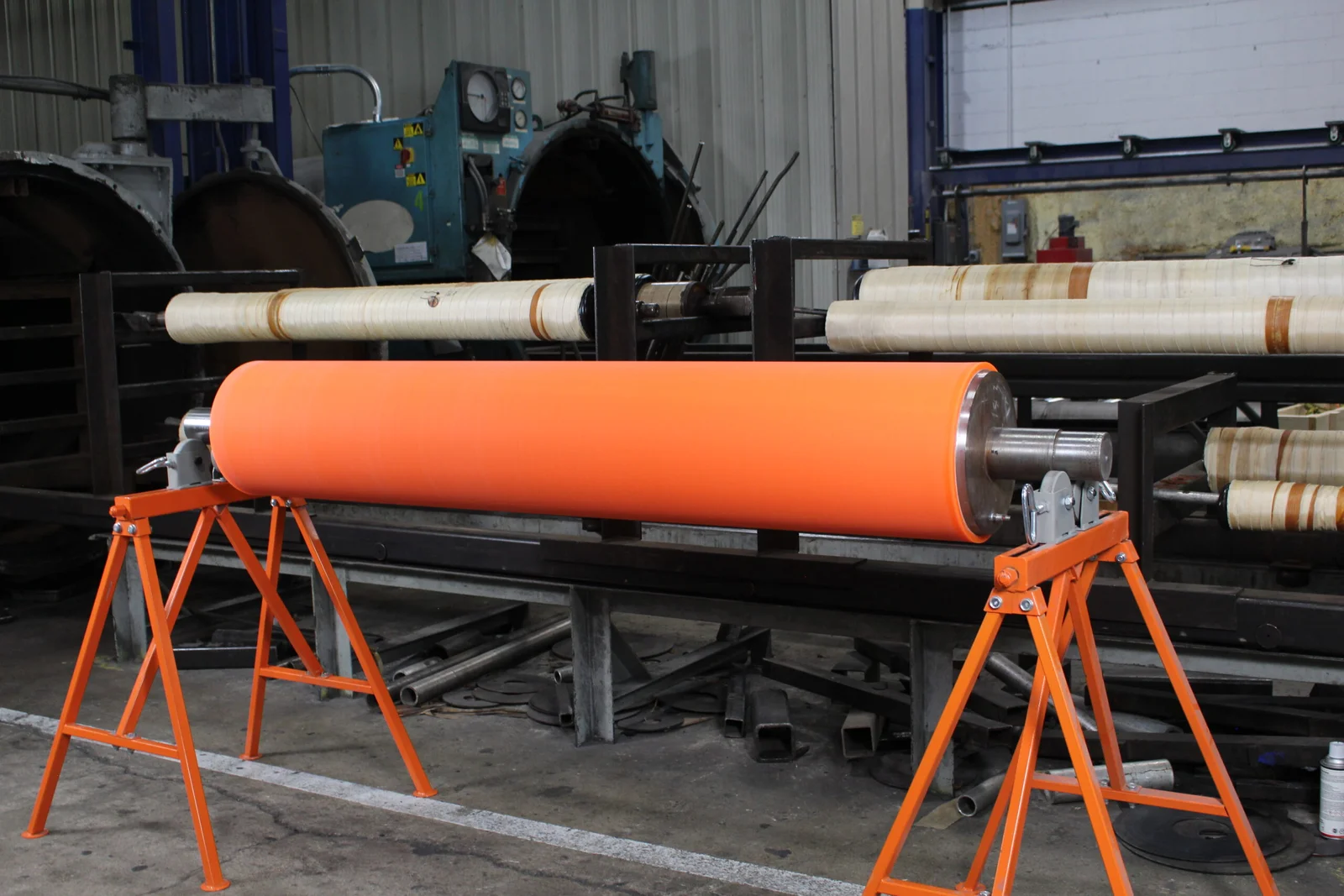
Rubber Roll Recoating is used when an existing roll core and journals are reusable but the rubber surface is worn, cracked, glazed, cut, hardened, or no longer suitable for production. Doghat inspects the old roll before planning Rubber Roll Recoating so the buyer avoids recoating a mechanically unsuitable roll.
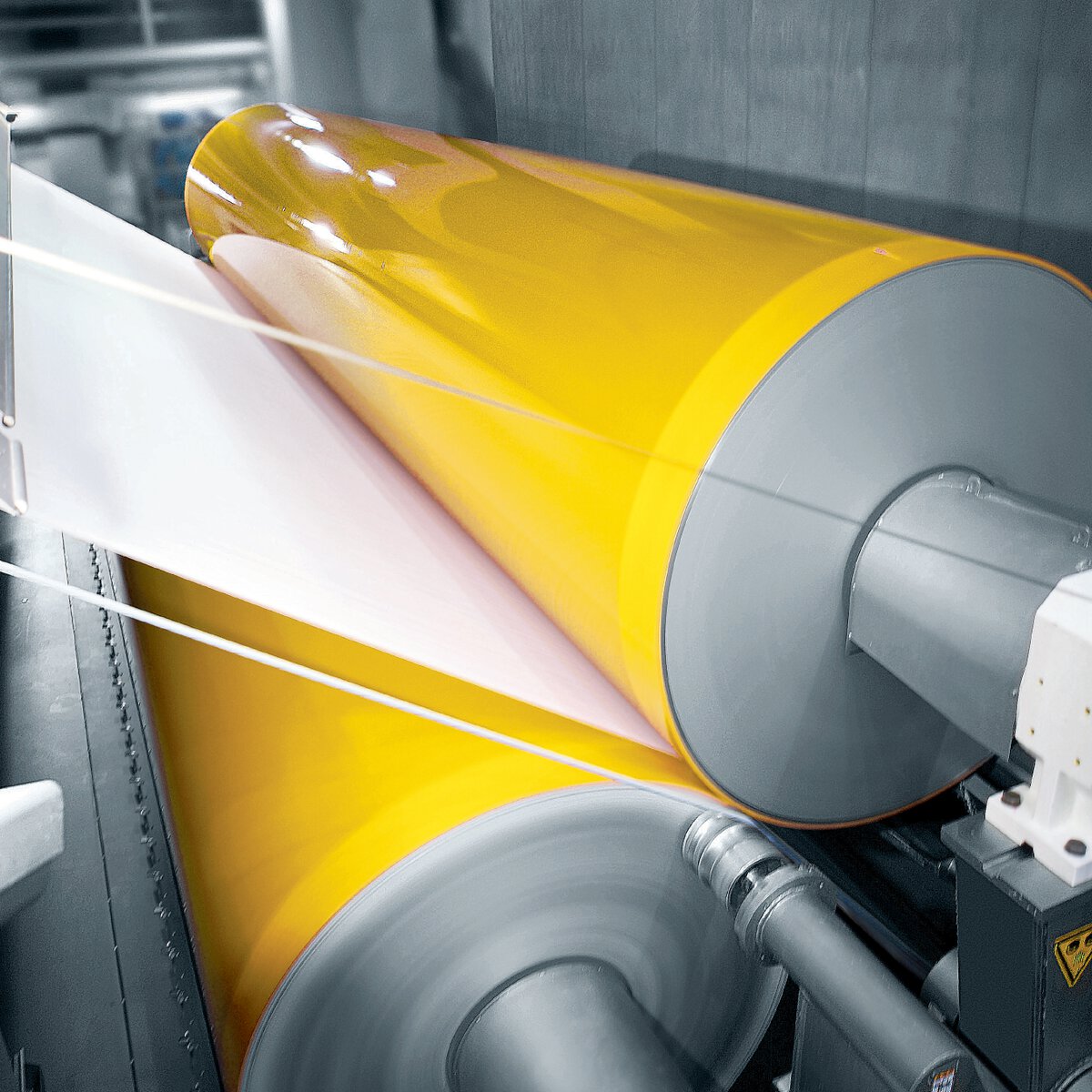
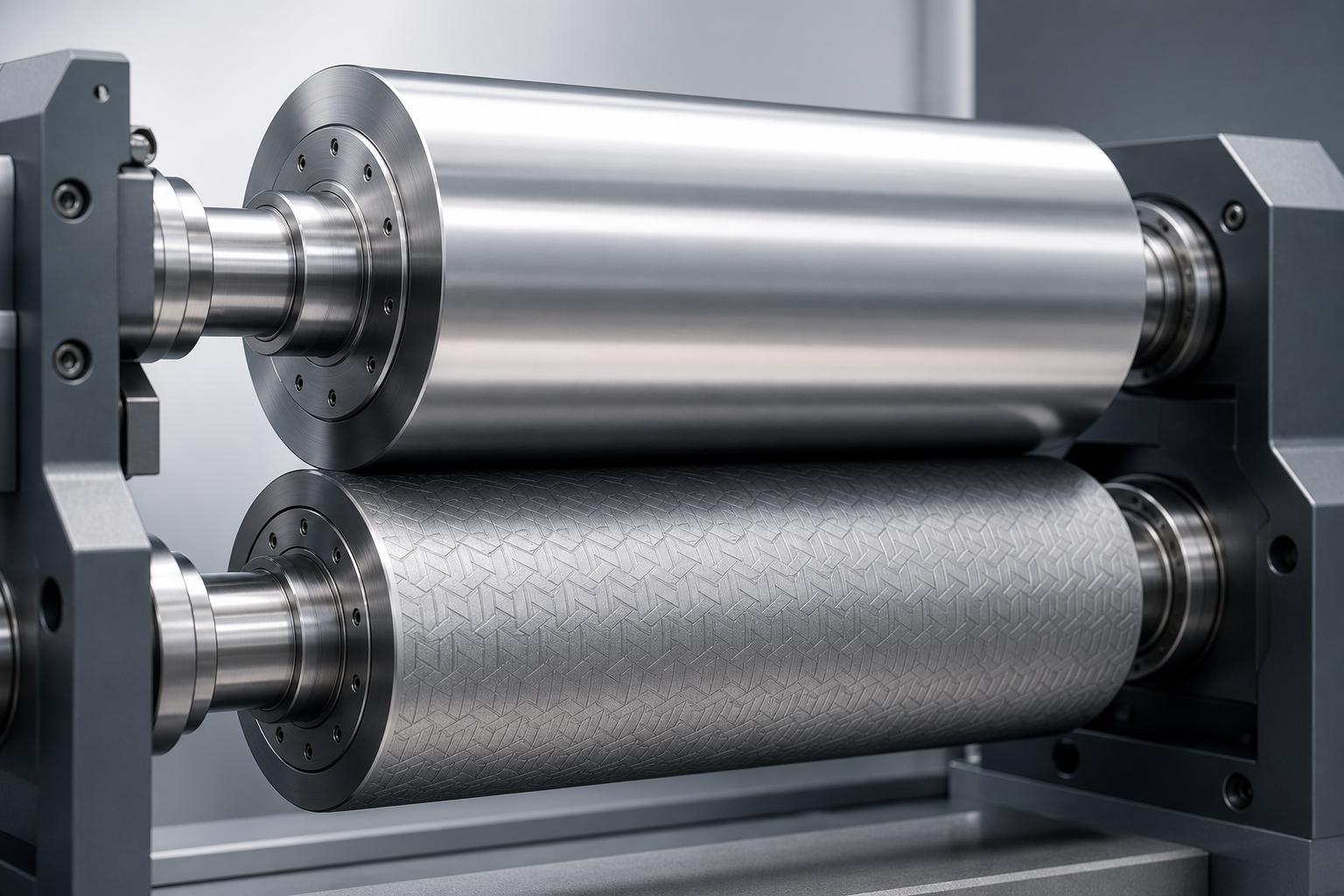
The Rubber Roll Recoating process includes stripping, surface preparation, bonding system selection, compound planning, covering, curing, grinding, hardness verification, and final inspection. Rubber Roll Recoating helps reduce replacement cost while restoring grip, drainage, contact pressure, or sheet handling performance where the roll body remains reliable.
Recoated rolls are checked for bonding readiness, diameter, hardness, runout, surface finish, and application fit before delivery.